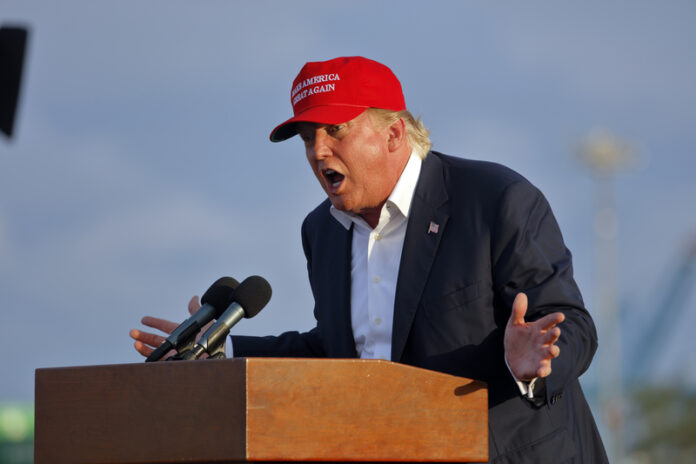
An April gathering of the White House Correspondents’ Association had been upended by a gunman, forcing organizers to reschedule. On July 24, 2026, the event reconvened at the Waldorf Astoria in Washington — the very building President Donald Trump, 80, had once run as his hotel — but the replacement date brought a new kind of disruption.
What staff had promoted in advance as a “unifying yet vicious” performance turned into an hour-long monologue marked by awkward silences, scattered jeers and a finale in which the commander-in-chief donned a red “Trump 2028” cap while floating the idea of seeking another term in defiance of constitutional barriers. By the time he finished on Friday night, July 24, applause was sparse, and condemnation flooded social media and cable news.
A Room That Stopped Laughing
The formally dressed crowd offered scant response as the president cycled through unsuccessful jokes and caustic jabs. At one moment he paused to ask whether anyone grasped his material, then complained that his unnamed writers had given him subpar lines. He insisted he was singlehandedly keeping the news industry afloat, warning that journalists would all go broke once he departed office because, he argued, the public pays attention to no one else. He then proceeded to tally the number of front-page New York Times stories focused on him.
Weijia Jiang, who serves as a correspondent for CBS News and is the departing leader of the White House Correspondents’ Association, took the microphone as exit music began, visibly taken aback by what had unfolded. Asked beforehand how long the president’s remarks would last, she had told people they ought to already have the answer. “You’re White House Correspondents, you should know,” Jiang said, before expressing thanks.
The substance was familiar: rehashed 2020 election complaints, hostility toward the press, plans for a White House ballroom, his habit of affixing his own name to buildings and projects, and digs at Biden’s cognitive state. Attendees sat largely mute through material better suited to a campaign rally than a celebration of the First Amendment.
Personal Attacks and a Constitutional Joke
Trump singled out journalists by name, including CNN anchor Kaitlan Collins, whom he accused of receiving a fake award she did not deserve. Boos erupted as he launched the assault, then the room went quiet. California Gov. Gavin Newsom also drew fire, prompting Newsom’s official press account on X to repost the Collins clip and call the president a pig.
The night’s contradictions were stark. Trump stood and shook hands with reporters he has battled and sued, handing out awards to journalists from outlets he routinely vilifies. A Wall Street Journal team received recognition for its coverage of the president’s ties to disgraced financier Jeffrey Epstein. He said he respected “most of them,” while alleging that many in attendance suffered from what he termed Trump Derangement Syndrome and declaring the dinner the largest assembly of such individuals ever gathered.
The closing drew the most scrutiny. Pulling on the “Trump 2028” hat, he revealed what he characterized as exclusive news: his intention to mount another run — seemingly referring to a fourth bid for office rather than a fourth consecutive presidency. Moments earlier, he had quipped that his presidency, like the dinner itself, had improved from the first iteration to the second, suggesting a third would surpass even that before insisting he was joking. The constitutional prohibition against serving more than two terms came in 1951 through the 22nd Amendment, a response to Franklin D. Roosevelt’s unprecedented four elections to the office.
Swift Condemnation From Commentators
On CNN, CNN political commentator and former Obama adviser Van Jones delivered one of the sharpest rebukes, saying the president had wasted an opportunity to build bridges. “It just wasn’t funny,” Jones said, adding that Trump had become a “rabid grizzly” lashing out at everything in reach and had referenced no other citizens apart from himself and those he considers adversaries.
Washington Post writer Maura Judkis characterized the evening as crass, surreal and deeply cringeworthy, observing that the only reliable laughter originated from a section seemingly filled entirely with administration officials. Online, one commenter compared the remarks to a barrage of internet troll posts, while others expressed disbelief that the display had left anyone feeling proud.
Not every moment Friday was adversarial. Trump praised the Secret Service and condemned political violence, telling the crowd that Americans resolve disagreements at the ballot box and in public discourse, not through armed conflict. He honored Secret Service officer Victor Gonzales, who sustained a gunshot wound in the April incident when a bullet hit his ballistic vest. Jiang, who told the audience she refused to let violence have the final word, said the dinner would return next year to the Washington Hilton, the site of that attack.