A 19-year-old Iranian social media influencer known for posting motorbike stunt videos was shot dead by security forces in Gorgan, Iran, amid ongoing anti-government protests that have engulfed the country.
Diana Bahador, who went by the name “Baby Rider” on social media, was shot twice around midnight on January 8 while participating in demonstrations against the regime of Supreme Leader Ayatollah Ali Khamenei. The motorbike influencer had amassed more than 150,000 followers on Instagram, where she regularly posted videos of herself performing motorcycle stunts without wearing a headscarf.
After Bahador went missing, her family searched for her for two days before authorities returned her body on January 11. She was buried in secret, according to human rights groups monitoring the situation.
The circumstances surrounding her death quickly became a matter of dispute. A statement posted to Bahador’s Instagram account claimed she had died in an accident, but the Hyrcani Human Rights group and other organizations said her family was forced to release that statement and publicly deny that she was executed as part of a deal with Iranian authorities to receive her body back.
Iranian state media presented a conflicting account, claiming that a person named Shahrzad Mokhami died on January 22 in a motor crash. The discrepancy in dates, names, and circumstances has further fueled suspicions about the official narrative.
Bahador’s last post on her social media account appeared on January 6, just two days before she was killed. The post showed her wearing motorbike leathers while dancing and riding a motorcycle.
Iranian journalist and activist Masih Alinejad criticized the Iranian regime over Bahador’s death. “Diana Bahador’s death is a tragedy that highlights the brutal crackdown on young protesters who simply want freedom,” she stated, drawing attention to the government’s response to demonstrations.
The killing occurred during a particularly severe crackdown in Gorgan, where security forces used machine guns against demonstrators. The Islamic Revolutionary Guard Corps, also known as the IRGC, has been leading the government’s response to the protests alongside other security forces.
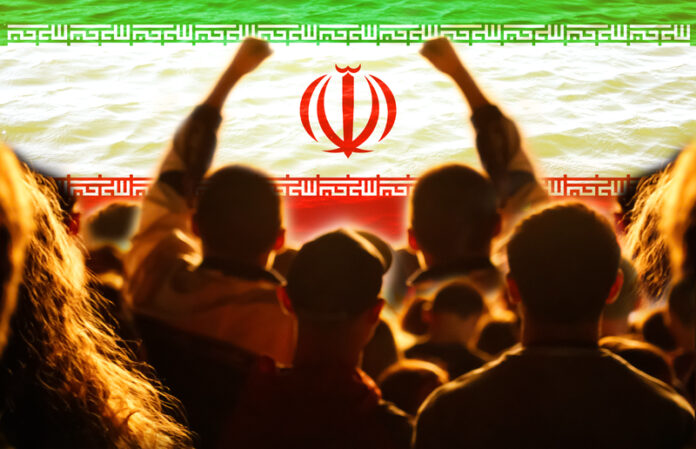
The anti-government protests began on December 28, initially sparked by the collapse of the Iranian rial. What started as economic demonstrations in Tehran quickly spread across the country and evolved into broader protests against the regime of the Supreme Leader.
The government’s response to the protests has been brutal. According to reports, more than 6,000 people have been killed in the crackdown.
The scale of the casualties reflects the intensity of the government’s efforts to suppress dissent. “The Iranian regime has shown it will stop at nothing to silence those who dare to speak out,” said a human rights observer monitoring the situation. The use of heavy weaponry against civilian demonstrators marks a significant escalation in tactics by security forces.
Bahador’s death has become emblematic of the dangers facing young Iranians, particularly women, who challenge the country’s theocratic system. Her social media presence represented a form of quiet rebellion—posting videos of herself riding motorcycles and appearing without the mandatory hijab were acts of defiance.
IranWire, an independent news organization that covers human rights issues in Iran, has been reporting on the circumstances of Bahador’s death and the broader crackdown on protesters. The organization has documented numerous cases of protesters being killed, arrested, or disappeared by security forces.
The pressure on families of victims has been a consistent pattern in the government’s response. Authorities often force families to sign statements claiming their loved ones died in accidents or from natural causes, threatening to withhold bodies or to arrest other family members if they refuse to cooperate with the official narrative.
The current wave of protests represents one of the most significant challenges to the Iranian regime in recent years. Unlike previous demonstrations that were more localized or focused on specific issues, these protests have spread nationwide and encompass multiple grievances.
International observers and human rights organizations have called for accountability for the deaths of protesters and for an end to the violent crackdown. However, the Iranian government has shown no indication of changing its approach, instead doubling down on its use of force to suppress dissent.
The death of Diana Bahador, a teenager whose only apparent crime was riding motorcycles and posting videos online, has resonated with many Iranians and international observers as a symbol of the regime’s willingness to use lethal force against any form of dissent, no matter how small or seemingly innocuous.