
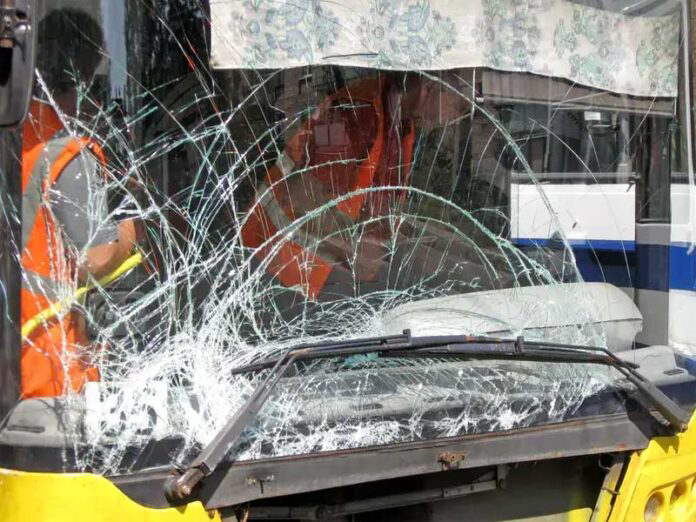
Authorities in southern Peru reported that a head-on collision between two buses on July 25, 2026, left at least five people dead and 16 others hurt, marking another deadly incident along a stretch of highway notorious for transportation accidents.
The deadly wreck occurred on the southern Panamerican Highway near Tacna, a town close to the Chilean border, police informed The Associated Press. Officials have not released the names of the victims, and no cause has been publicly established by investigators.
Farmer Describes Being Swept Into the Wreckage
Agustín Choquecota, a farmer who said he was transporting livestock in a pickup truck when the buses collided, described being pulled into the chaos as the vehicles veered across the roadway. He told Radio Uno he was “dragged along by the impact after one of the buses involved in the accident veered out of its lane.”
What triggered the collision remains unclear, and police have not confirmed the sequence of events that led to the crash.
Medical Response and Condition of the Wounded
Those hurt in the wreck were transported to the Hipólito Unanue de Tacna hospital for treatment. Eddy Vicente, director of the hospital, said most of the wounded were in stable condition, though one 24-year-old man remained hospitalized in serious condition suffering from numerous broken bones. No additional information about the ages or medical status of other patients was provided by hospital officials.
The Panamerican Highway corridor through the Tacna region serves as a major route for passenger and freight traffic moving between Peru and Chile, with long-distance buses regularly carrying travelers and goods across the international frontier.
Peru’s Ongoing Road Safety Crisis
Official statistics indicate that 3,428 people lost their lives in traffic collisions throughout Peru during 2025, a figure that reflects the severity of hazards on the nation’s roadways. Head-on bus collisions on high-speed and mountainous highway sections have repeatedly produced some of the most catastrophic outcomes.
Traffic safety specialists have long identified systemic shortcomings in Peru’s oversight and regulation of road transport, noting that emergency response following crashes is frequently slow and poorly coordinated. Many experts contend that substantive improvements will demand legislative reform rather than scattered enforcement efforts.
The heavy reliance on bus travel in a country where ground transportation is essential for covering long distances, combined with aging fleets, driver fatigue on extended routes and inconsistent enforcement of traffic regulations, has fueled frustration among safety advocates. While those factors have been cited in earlier crashes, authorities did not tie any particular element to the July 25 incident.
Peruvian officials routinely launch inquiries into fatal bus wrecks to assess vehicle maintenance, driver conduct, and the state of the highways. Investigators had not yet determined whether either bus operator was under review or disclosed the number of passengers traveling on the two buses.
For the families in Tacna, the most pressing concern remained the survivors receiving care at the hospital. Authorities had not announced when additional details about the victims or findings from the investigation would be released.
Repeated mass-casualty bus crashes in recent years have spurred calls for stricter regulation of Peru’s intercity bus sector. Advocates argue that the annual death toll—measured in thousands—points to structural failures that individual accidents cannot fully convey. Whether the latest collision will spur renewed momentum for the legal reforms urged by experts is uncertain, as the region mourned another deadly day on its roads.