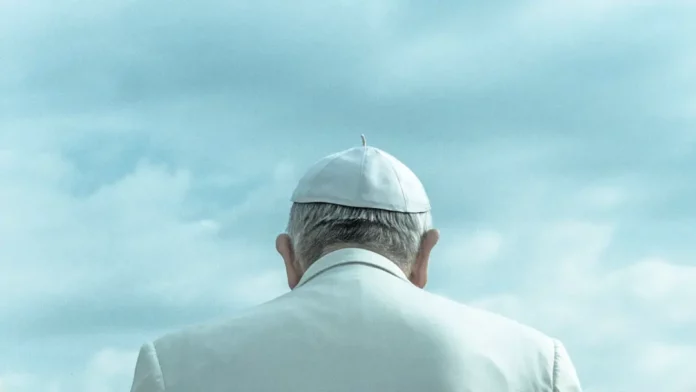
An American pope’s diplomatic tour of Africa has turned into a global flashpoint, with Pope Leo XIV using his pulpit in Cameroon to blast world leaders for war and greed while facing mounting attacks from President Trump back home.
The pontiff touched down in Cameroon on April 15, 2026, kicking off an 11-day pastoral tour across four African countries. But what Vatican planners may have envisioned as a routine spiritual journey quickly escalated into something far more confrontational, as Pope Leo launched sharp critiques of both local corruption and foreign exploitation of African resources.
At the presidential palace in Yaounde on his first day in the country, Pope Leo stood beside 93-year-old President Paul Biya — the oldest sitting head of state in the world — and demanded “transparency in the management of public resources and respect for the rule of law.” He warned government officials and diplomats that “the chains of corruption — which disfigure authority and strip it of credibility — must be broken.”
The rebuke was pointed. Cameroon sits at 142 out of 182 countries on the Transparency International 2025 Corruption Perceptions Index. Biya, who secured a disputed eighth term in October 2025 amid allegations of widespread voting irregularities from human rights organizations, listened as the pope challenged his government’s legitimacy. Father Ludovic Lado, a prominent Jesuit priest in the country, had publicly urged the pope not to come, saying the visit risked appearing as an endorsement of Biya’s administration.
The trip’s most powerful moment came the following day in Bamenda, the largest city in Cameroon’s English-speaking northwest. That region has been the heart of a brutal separatist conflict that has claimed more than 6,000 lives and forced over 600,000 people from their homes since 2017.
Inside Saint Joseph’s Cathedral, Pope Leo convened an interfaith peace meeting with a traditional chief, a Presbyterian moderator, an imam and a Catholic nun. “I am here to proclaim peace,” he thundered to a crowd that spilled outside the cathedral walls.
The gathering included testimony from Sister Carine Tangiri Mangu, a nun abducted by separatist fighters only months before and held captive for three days. “We neither slept nor ate,” she said. “What kept our hope alive was the rosary which we prayed continuously for those days.” Denis Salo, a father of three who fled his home in 2017, leaving behind his house, farms and animals, also shared his story of displacement.
At the meeting’s close, the pope and community representatives released white doves as he described the area as a “bloodstained yet fertile land that has been mistreated.”
The separatist movement stems from Cameroon’s colonial past. Following World War I, the territory was split between French and British administration. English-speaking areas voted in a 1961 U.N.-backed referendum to join French Cameroon, but separatists contend they have faced political and economic marginalization ever since. Armed groups began their rebellion in 2017, seeking to create an independent nation called Ambazonia.
Ahead of Pope Leo’s visit, the separatist Unity Alliance took the extraordinary step of announcing a three-day ceasefire. A spokesperson explained the pause honored the “profound spiritual importance” of the papal visit and would allow civilians, pilgrims and dignitaries to travel safely. Bishop Michael Bibi of Buea said it marked the first time the alliance had ever halted hostilities.
Still, skepticism ran deep. Morine Ngum, a 30-year-old mother whose husband was killed by Cameroonian soldiers in 2022, told reporters: “Nothing is going to change. This conflict has turned my children into orphans and me into a widow.”
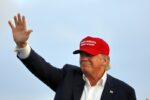
Back in Washington, the papal visit unfolded against escalating tensions between Pope Leo and the Trump administration. The pope’s denunciation of the U.S.-Israel war on Iran — he labeled Trump’s threats to destroy Iranian civilization “truly unacceptable” — provoked a fierce backlash from the Trump administration. Vice President JD Vance told the pope to “be careful” discussing theology, while Trump attacked him as “weak on crime and terrible for Foreign Policy.”
Trump at one point shared an AI-generated image depicting himself as Christ, though he subsequently removed the post. Pope Leo fired back, declaring he has “no fear” of the Trump administration and would not back down from advocating for peace.
On April 17, Pope Leo concluded his Cameroon leg with a massive Mass at Japoma Stadium in Douala, where organizers anticipated more than 600,000 attendees. He challenged the nation’s youth to reject corruption and dedicate themselves to the common good. One concrete result of the visit: Bamenda’s airport, closed since 2019 due to the violence, was renovated for the trip and is expected to stay operational.
The pope left for Angola on April 18, pressing forward with a tour that has already transformed how this American pontiff confronts global conflict — including with his homeland’s own leadership.