
Barry Wilburn, the standout cornerback who led the NFL in interceptions during the 1987 season and helped the Washington Redskins capture Super Bowl XXII, has died at age 62.
The Washington Commanders announced Wilburn’s death Sunday. His family confirmed he died in a house fire early Friday morning, February 7, at his home in Memphis, Tennessee.
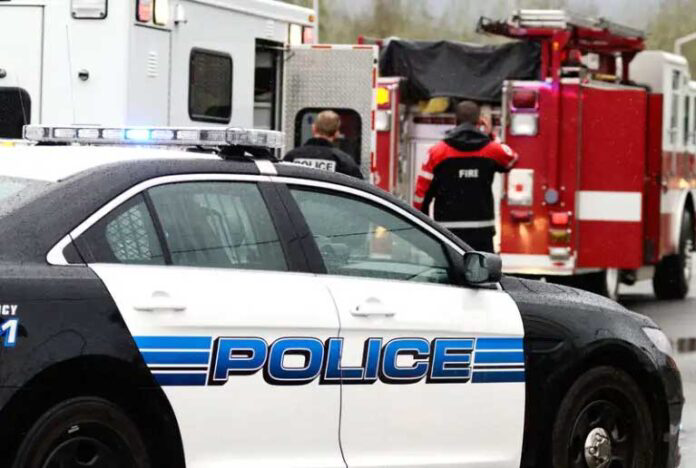
The Memphis Fire Department responded to a reported residential structure fire on Douglass Avenue in the Orange Mound neighborhood around 2 a.m. Firefighters discovered Wilburn unresponsive in a rear hallway. He was pronounced dead at the scene. The cause of the fire remains under investigation.
“We’re saddened to learn of the passing of former Washington All-Pro and Super Bowl XXII champion Barry Wilburn,” the Commanders posted on social media. “Sending our deepest condolences to his family and friends.”
Born December 9, 1963, Wilburn came from athletic royalty. His mother, Margaret Matthews Wilburn, won a bronze medal in the 4×100-meter relay at the 1956 Melbourne Olympics as a member of the legendary Tennessee State Tigerbelles alongside Wilma Rudolph—who later became Barry’s godmother. His father, Jesse Wilburn, coached football at Melrose High School in Memphis, where Barry starred before playing college football for the Ole Miss Rebels.
Washington selected Wilburn in the eighth round of the 1985 NFL Draft, the 219th overall pick. Few expected an eighth-rounder to become a league leader, but the 6-foot-2 cornerback defied expectations.
The strike-shortened 1987 season proved career-defining. Wilburn picked off nine passes to lead the entire NFL, earning first-team All-Pro honors while playing alongside Hall of Famer Darrell Green in Washington’s defensive backfield. He also set a franchise record with a 100-yard interception return for a touchdown against the Minnesota Vikings—a mark that stood for years.
Wilburn saved his best performance for the biggest stage. In Super Bowl XXII on January 31, 1988, at Jack Murphy Stadium in San Diego, he intercepted two passes from Denver Broncos quarterback John Elway as Washington dominated 42-10. The first interception came at the Washington 21-yard line to thwart a second-quarter Broncos threat. The second killed any Denver comeback hopes in the second half.
That Super Bowl performance etched Wilburn’s name into franchise history during one of the organization’s most successful eras. Teammate Darrell Green consoled Wilburn after Denver’s Ricky Nattiel beat him for an early 56-yard touchdown. “Forget it, Barry,” Green told him on the field. “Don’t worry about that.”
Wilburn heeded the advice and delivered two crucial interceptions that helped seal the championship.
His career trajectory changed after the 1989 season. A drug suspension sidelined him for the 1990 and 1991 seasons before he staged a comeback with the Cleveland Browns in 1992, playing six games under coach Bill Belichick.
When his NFL opportunities dried up, Wilburn headed north to the Canadian Football League. He joined the Saskatchewan Roughriders in 1993, earning CFL all-star honors in his first season. The following year, he signed with the B.C. Lions and contributed to their 26-23 victory over the Baltimore Football Club in the 82nd Grey Cup—a championship decided by Lui Passaglia’s last-second field goal.
That Grey Cup victory made Wilburn one of only about ten players in professional football history to win both a Super Bowl and a Grey Cup. He returned to the NFL in 1995, spending two seasons with the Philadelphia Eagles before a final CFL stint with the Winnipeg Blue Bombers in 1999.
Across 91 NFL games, Wilburn recorded 246 tackles and 20 interceptions. His nine picks in 1987 alone accounted for nearly half his career total.
Wilburn’s death marks another loss for Washington’s storied 1987 championship team, which captured the franchise’s second Super Bowl title and featured numerous players who became legends in team history.
The Memphis native’s journey from local high school star to SEC standout to dual-league champion represented the American football dream realized. His accomplishments during the 1987 season—leading the league in interceptions and winning a Super Bowl—placed him among the elite defensive backs of his era.
Wilburn remained connected to football after his playing days, serving as a coaching intern at Howard University in 2007, where he worked with defensive backs. Family members described him as deeply proud of his Memphis roots and his football journey.
The tragedy occurred in the Orange Mound neighborhood where Wilburn had deep ties to the Memphis community that watched him develop from a promising high school athlete into a professional champion. The Memphis Fire Department continues investigating the circumstances surrounding the fatal fire.
He is survived by his two daughters, Jordan and Dominique Wilburn.