
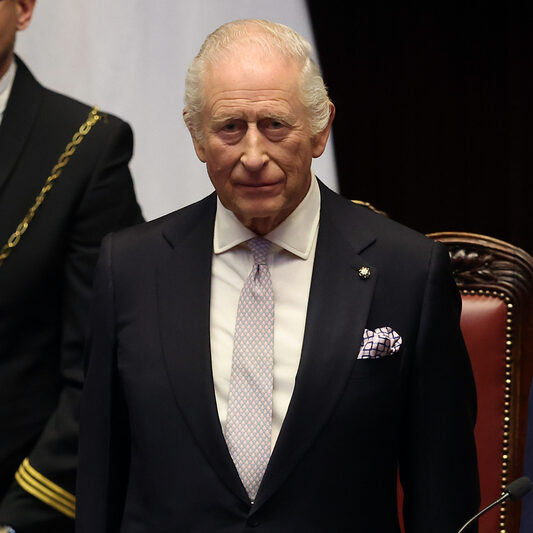
Relations between King Charles III and Prince William have deteriorated to the point where the father and son are no longer speaking, according to celebrity news reporter Rob Shuter’s ShuterScoop.
The 77-year-old monarch and his 43-year-old heir are experiencing tensions described as worse than they have been in years, with sources close to the royal household indicating the relationship is icy at best and explosive at worst. Palace insiders revealed there is real anger on both sides of the dispute.
The rift became publicly apparent when Prince William conspicuously skipped his father’s film premiere on January 28. King Charles held the premiere for his upcoming Amazon Prime documentary at Windsor Castle, but neither William nor Princess Kate attended the milestone event. According to sources, the Prince of Wales’s absence was a statement, not a scheduling issue.
The documentary premiere was a significant occasion for the monarch, making William’s deliberate absence all the more striking to royal observers. The event proceeded without the presence of the future king and his wife, underscoring the depth of the current estrangement between Buckingham Palace and Kensington Palace.
Sources familiar with the situation suggest the tension stems from fundamental similarities between the two men, noting they clash because they’re too similar. Both believe they’re right, and neither backs down easily.
The power dynamic between father and son has become increasingly complicated as William’s future role looms larger. Another source noted that William will be king, and that changes the power dynamic completely. This awareness of succession appears to be reshaping their relationship in ways that have created friction at the highest levels of the royal family.
Interestingly, palace sources suggest King Charles may find Prince William more difficult to manage than his younger son, Prince Harry. One courtier characterized the difference between the brothers in stark terms, saying Harry is emotional, reactive, and predictable, while William is controlled, strategic, and stubborn, which is much harder to deal with.
This assessment provides insight into why the current dispute with William may pose unique challenges for the king. While Harry’s approach to conflict tends toward the emotional and public, William’s calculated and strategic nature makes resolution potentially more complex. His stubbornness, combined with his methodical approach to royal matters, creates a different kind of challenge for King Charles than his younger son’s more predictable reactions.
The comparison is particularly noteworthy given that King Charles only recently ended a 19-month estrangement with Prince Harry in September 2025. The reconciliation with Harry came after years of public tension following the Duke and Duchess of Sussex’s decision to step back from royal duties in 2020.
The royal family has faced multiple internal challenges in recent months, particularly surrounding Andrew Mountbatten-Windsor. On October 30, 2025, King Charles formally stripped Andrew of his royal titles, a decisive move that followed years of controversy. The former Duke of York was subsequently removed from his Windsor residence and exiled to Norfolk, marking a dramatic fall from grace for the king’s younger brother.
The situation with Andrew became more acute when new files from the Department of Justice were released on February 4, 2026, in connection with the ongoing Jeffrey Epstein investigation. Andrew appeared in three new Epstein photos, intensifying scrutiny on the royal family.
These revelations have created additional pressure on both King Charles and Prince William as they navigate the fallout from Andrew’s association with the convicted sex offender. The Epstein files have brought renewed attention to Andrew’s past connections and the civil lawsuit filed by Virginia Giuffre. Andrew settled that lawsuit for approximately 12 million pounds without any admission of wrongdoing, but the issue has continued to shadow the royal family.
Despite the family turmoil, Prince William has maintained his official duties. On Thursday, February 5, 2026, he welcomed Aga Khan V, Prince Rahim Al-Hussaini, to Kensington Palace for an important meeting. The spiritual leader’s visit came just one day after King Charles hosted him at a black-tie accession anniversary dinner at Windsor Castle.
The meeting between William and the Aga Khan demonstrated the continuation of formal royal engagements even amid personal tensions. King Charles bestowed the title “His Highness” upon the new Aga Khan, maintaining a longstanding tradition between the British royal family and the Ismaili leadership. Prince Rahim had previously met with the monarch at Buckingham Palace through his work with the Aga Khan Development Network and Aga Khan Foundation.
Looking ahead, Prince William is scheduled to represent King Charles at a significant religious ceremony on March 25, 2026. He will travel to Canterbury Cathedral for the Installation of the new Archbishop of Canterbury. He will also attend an event at Lambeth Palace as part of these ceremonial duties.
The ongoing estrangement between King Charles and Prince William represents a significant challenge for the monarchy at a time when unity might be most needed. With the scandal surrounding Andrew continuing to generate headlines and the relatively recent reconciliation with Harry still fresh, the breakdown in communication between the monarch and his heir adds another layer of complexity to the royal family’s public image.
As the 41-year-old Prince Harry maintains his reconciled relationship with his father while William remains at odds with the king, the dynamics within the House of Windsor continue to shift in unexpected ways. The situation underscores how personal relationships and power structures within the monarchy can create friction even as public duties continue without interruption.