
At least 41 young men died in South Africa during November and December from circumcision procedures performed as part of traditional initiation ceremonies, authorities announced on December 30, 2025.
South Africa’s Traditional Affairs Minister Velenkosini Hlabisa blamed negligence from both the initiation schools and parents for the deaths. The minister criticized parents specifically for failing to monitor their children during the initiation period.
“There is negligence in terms of meeting health standards in some of the initiation schools. If you take your child to an initiation school, you never make a follow-up, you do not monitor, you do not go there to see whether the child does drink water, you are placing your child at risk,” Hlabisa said.
The minister said some of the advice given to young men during initiation is unproven, particularly the instruction to avoid drinking water to heal faster. Hlabisa blamed negligence at both registered and illegal schools for the 41 deaths during this period.
Authorities arrested 41 people in connection with illegal initiation schools. The arrests included parents who supplied wrong ages for their children to be admitted. South African law requires that only individuals 16 years and above may attend initiation school, and parental consent is required.
Eastern Cape province reported 21 deaths, making it the location with the highest number of fatalities from the circumcision procedures during this initiation period.
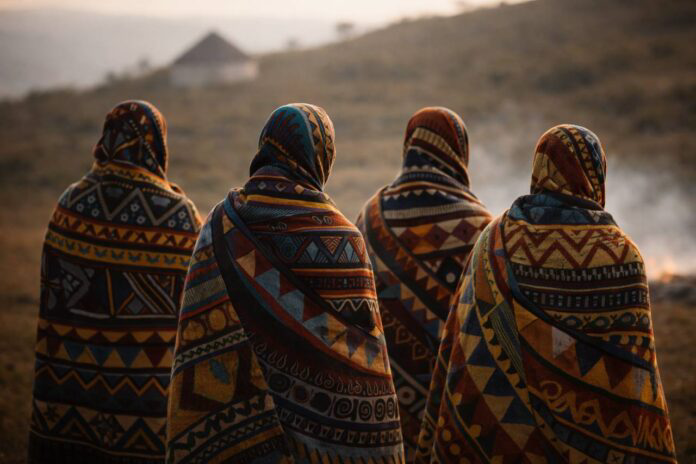
Traditional initiation serves as a rite of passage into manhood for young men and is practiced annually by various ethnic groups in parts of South Africa. The Xhosa, Ndebele, Sotho, and Venda communities are among those who observe these ceremonies.
During traditional initiation, young men are isolated at initiation schools where they are taught cultural values and responsibilities as they become adults. The circumcision part of the initiation results in the deaths of some initiates every year, prompting government intervention through legislation.
South African laws require initiation schools to be registered with the authorities. However, the legislation has not stopped the proliferation of illegal, unregistered initiation schools.
Initiation periods typically run during school holidays. The winter initiation period occurs in June and July, while the summer initiation period takes place in November and December.
Traditional circumcision practices in South Africa have long been a point of tension between cultural preservation and public health concerns. The procedures are deeply embedded in the cultural identity of several ethnic groups and are viewed as essential for establishing male social status within these communities. Young initiates undergo the circumcision as part of a broader ceremonial process that marks their transition from childhood to adulthood.
The isolation period at initiation schools can last several weeks. During this time, initiates live away from their families in specially designated areas, often in rural locations. Traditional leaders and caregivers oversee the young men during their recovery and education period.
Medical experts have repeatedly warned about the dangers of traditional circumcision when performed outside of proper medical facilities. Complications can include severe bleeding, infections, dehydration, and sepsis.
The government’s registration system for initiation schools aims to ensure minimum health and safety standards. Registered schools are supposed to have access to medical personnel, proper sanitation facilities, and emergency response capabilities. However, enforcement of these regulations remains challenging, particularly in remote rural areas where many traditional initiations take place.
The economic aspect of initiation schools contributes to the persistence of illegal operations. Operators of unregistered schools can undercut prices charged by registered facilities, making them attractive options for families with limited financial resources, despite the increased health risks.
South African health authorities have attempted various interventions over the years to reduce deaths from traditional circumcision. These efforts have included public awareness campaigns, training programs for traditional surgeons, and increased medical support during initiation seasons.
The age requirement of 16 years aims to ensure that initiates are physically mature enough to undergo the procedure and recover properly. However, enforcement of age verification remains difficult, as demonstrated by the arrests of parents who provided false ages for their children.
Traditional initiation is widely practiced in African communities, and the return of the initiates is often characterized by joyful cultural celebrations. These celebrations mark the successful completion of the initiation process and the official recognition of the young men as adults within their communities. The ceremonies typically involve traditional music, dancing, feasting, and the formal presentation of the initiates to their families and communities.
The balance between respecting cultural traditions and protecting public health continues to challenge South African authorities. While the government has implemented registration requirements and safety standards, the deaths during this year’s summer initiation demonstrate that significant work remains to prevent future tragedies while preserving these important cultural practices.