
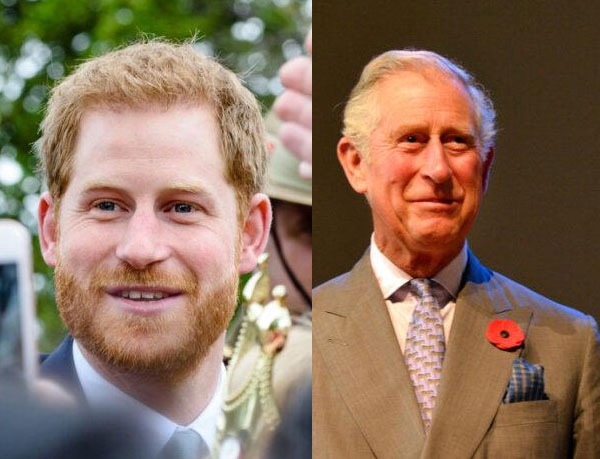
King Charles III has largely severed connections with his younger son, Prince Harry, Duke of Sussex, with palace sources confirming that currently “no relationship right now” exists between father and son, marked by an absence of phone calls, messages, outreach, or any form of private communication.
The family rift hit a particularly visible nadir during King Charles and Queen Camilla’s four-day U.S. state visit spanning April 27 to 30, 2026. Although the visit brought the king to the U.S., where Harry and his wife, Meghan, Duchess of Sussex, have resided in California for six years, Charles made no effort to arrange a meeting with his son, daughter-in-law, or his two grandchildren, Prince Archie and Princess Lilibet. The visit, scheduled to mark the 250th anniversary of American independence, included stops in Washington, D.C., New York City, and Virginia, but California was never on the itinerary.
According to royal commentator Rob Shuter, Harry and Meghan did not view Charles’ significant April 28 congressional address — neither during the live broadcast, afterward, nor at any point. Observers characterized this choice as intentional, calling it “the final break.” An individual with knowledge of the matter informed Shuter that something previously unimaginable had now become a deliberate signal of the state of the relationship.
Charles’ congressional address garnered widespread acclaim, earning multiple standing ovations. The king’s remarks, centered on partnership and mutual principles, prominently featured themes of healing and fresh beginnings — an observation that did not escape royal analysts, particularly given the unresolved family tensions simmering beneath the surface. Buckingham Palace has not indicated the comments were aimed at Harry or Meghan.
Before the visit, there were confidential talks about organizing a face-to-face encounter between Charles and Harry in New York, where the king attended a King’s Trust gala on April 29. Yet these negotiations fell through in the preceding weeks, allegedly following Harry and Meghan’s high-profile Australian visit in mid-April, an engagement that demonstrated the “partially engaged, partially removed” royal status the Palace had previously rejected. Insiders suggested Buckingham Palace worried that a meeting might grant Harry new royal standing, potentially eclipsing the diplomatic goals of the state visit.
Harry and Meghan received no invitations to any function throughout the visit. “Anna [Wintour] and Martha [Stewart] received invitations,” one source remarked. “Harry and Meghan did not.”
Heightening the already-fragile dynamic, Harry traveled to Kyiv without advance notice, merely days before Charles landed in Washington. On April 23, Harry delivered remarks as the keynote speaker at the Kyiv Security Forum, urging America to fulfill its commitments to Ukraine and cautioning that Russia’s mass relocation of Ukrainian youth might qualify as genocide under international statutes. Royal observers interpreted the address — Harry’s strongest public stance to date — as deepening tensions with his father, who was preparing for a carefully orchestrated diplomatic mission to the United States.
During a White House inquiry regarding Harry’s Kyiv comments, President Donald Trump stated Harry was “not representing the UK,” noting that he felt he himself was “representing the UK more than Prince Harry” — then inquired, “How’s he doing?”
Statements from early April had already conveyed a troubling picture of the paternal relationship. Palace insiders shared with numerous media outlets that Charles had essentially been disregarding Harry, even as Harry made attempts at reconciliation, such as expressing interest in a Sandringham visit. The communications breakdown was attributed partly to Harry’s continuing legal dispute concerning his UK security provisions — an issue Charles has mentioned as preventing direct dialogue. Royal expert Duncan Larcombe told The Mirror that Charles is caught in “an impossible position.” “He and Prince William can’t reach out to Harry for fear of him then publicising it,” Larcombe said. “That’s the big blockage.”
Nearly four years have elapsed since Charles last physically encountered his grandchildren, with the previous instance occurring at Queen Elizabeth II’s Platinum Jubilee festivities. The separation gained renewed significance on May 6, when Prince Archie celebrated his seventh birthday, coincidentally, the same day Charles inaugurated the traditional spring garden celebrations at Buckingham Palace, an event young Archie has never been part of.
In parallel, a substantial new disagreement has apparently emerged between King Charles and Prince William regarding the path forward with Harry. Charles, who continues receiving cancer treatment, is viewing matters from a paternal perspective, desiring some degree of mending with his offspring. William, conversely, is adopting a strictly organizational stance, contending that any reconciliation efforts with Harry could undermine the monarchy and diminish its lasting standing.
One source characterized the disagreement as having grown into “a stubborn stalemate, with each party holding steadfast to their convictions.” Another informant suggested the rift now reflects “a core distinction in how King Charles and Prince William see the monarchy’s future,” transcending mere disagreement to represent a core ideological difference about the nature of the institution and whom it serves.
William views Harry as fundamentally unreliable given his history of public revelations, including his autobiography “Spare” and various broadcast interviews. Harry’s endeavors to reconnect with his brother have been answered with inaction. Journalist Russell Myers highlighted that the friction is also fueled by distinctions in the brothers’ respective positions, the foundational dynamic of heir and spare that has characterized their rapport from early childhood.
Sources at the Palace indicate Charles has discreetly worked to suppress additional discussion of the Sussexes for the time being, with significant choices anticipated to rest with William upon his future accession. Harry’s anticipated participation in the Invictus Games in July, potentially accompanied by Meghan and the offspring, is interpreted by some as a crucial juncture for any meaningful reconciliation.
As of May, however, palace insiders are unanimous in their observation: mending the relationship between King Charles and Prince Harry is not a pressing concern for the royal family. What was once described as a private family matter to be addressed discreetly has solidified, from all angles, into something appearing progressively irreversible.