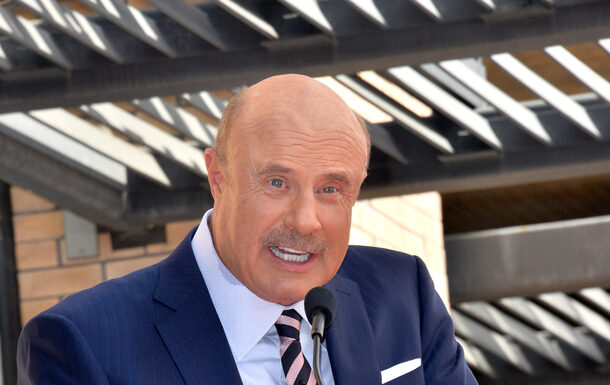
Television personality Phil McGraw, better known as Dr. Phil, has seen his ambitious foray into conservative broadcasting end in bankruptcy. On July 2, 2025, Merit Street Media filed for Chapter 11 protection in federal court in Texas, while also suing its former Christian broadcasting partner for allegedly sinking the fledgling network.
Launched in April 2024, Merit Street Media was promoted as a bold counterweight to mainstream media, with McGraw promising to defend American families from what he called an “unprecedented cultural assault.” The company’s bankruptcy documents show it owes creditors somewhere between $100 million and $500 million—a remarkable sum for a network barely a year old.
Merit Street’s lawsuit claims that Trinity Broadcasting Network, a major Christian broadcaster based in Fort Worth, systematically undermined the venture. Court papers accuse Trinity of abandoning commitments, mishandling production, and leveraging its control to leave Merit Street on the hook for over $100 million in debts.
According to the filings, the problems began almost immediately after McGraw’s production company, Peteski Productions, partnered with Trinity in early 2023. Trinity was supposed to handle distribution and production at no cost while McGraw supplied new programming, including “Dr. Phil Primetime” and other original shows.
Instead, Merit Street alleges the broadcaster delivered broken equipment, unreliable production support, and a glitch-ridden mobile app. The network struggled with faulty teleprompters, inadequate editing tools, and even poor cell phone reception inside the studio.
Despite those obstacles, Merit Street made a splashy debut, reaching more than 80 million households. The lineup included professional bull riding, McGraw’s interviews with figures like Donald Trump, and coverage of immigration enforcement operations. But behind the scenes, the network was running out of money.
By the end of 2024, financial troubles became impossible to ignore. Merit Street lost its bull riding broadcast rights after missing payments and conducted sweeping layoffs, cutting dozens of employees.
The lawsuit contends that Trinity’s most damaging move was withholding payments needed to keep national distribution going—effectively leaving Merit Street with nowhere to broadcast. “Simply put, as a result of TBN’s conduct, Merit Street has nowhere to send its signal and nowhere to air its programming, no matter how great it may be,” the complaint reads.
In a complex financial arrangement, Trinity arranged for a related entity called CrossSeed to loan Merit Street $25 million. That loan was later transferred to another Christian broadcaster, TCT Ministries, which is also named as a defendant in the lawsuit. McGraw’s team claims these maneuvers were designed to benefit Trinity and burden Merit Street with unsustainable debt.
Merit Street’s legal filings portray Trinity’s leadership as having orchestrated a strategy to starve the network of resources and then seize leverage when it became financially distressed. Attorneys for the network are asking the court to push Trinity’s claims to the back of the line behind other creditors and to award monetary damages.
Trinity Broadcasting, which bills itself as the world’s largest Christian television network, has not commented publicly on the case.
McGraw’s network started with big ambitions to create a media alternative rooted in what he described as patriotism and family values. “Together, we are going to stand strong and fight for the very soul and sanity of America,” he said at the launch.
But like many upstart TV networks, Merit Street faced a difficult landscape. Cable subscriptions have been declining steadily, while streaming and digital media have captured younger audiences. The bankruptcy caps an effort that began after McGraw wrapped up 21 seasons of his CBS daytime talk show in 2023.
For now, the venture’s future remains uncertain. Bankruptcy filings show Merit Street owes money to television providers, vendors, and ratings agencies. McGraw personally poured millions into the company as it searched for new investors, but ultimately those efforts fell short.
It’s a cautionary tale of how even a high-profile brand can stumble in today’s crowded media market—and how an ambitious mission to reshape television can quickly unravel amid technical glitches, unpaid bills, and souring partnerships.