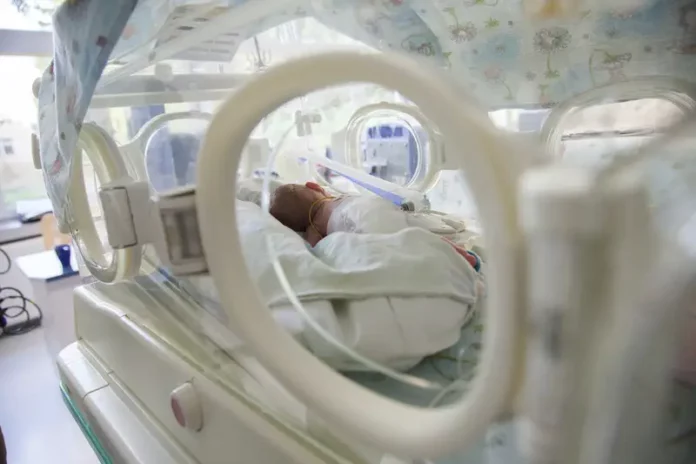
A damning independent review published 24 June 2026 has concluded that 156 babies and six mothers died as a result of substandard care at Nottingham University Hospitals NHS Trust over a decade — making it the largest maternity scandal in history.
The report, compiled by senior midwife Donna Ockenden, drew on the experiences of 2,500 families and painted a devastating portrait of a hospital system that repeatedly failed the most vulnerable patients in its care. Hundreds more mothers and babies survived their ordeals but were left with serious, lasting injuries, including brain damage.
A Pattern of Dismissal and Neglect
Ockenden’s findings describe a culture in which women’s concerns were routinely minimized or ignored entirely. Mothers who raised alarms about their babies’ movements or lack of growth were told by staff they were anxious and imagining it. The report identified a consistent pattern of families whose voices were disregarded, whose accounts were treated with skepticism, and whose legitimate concerns were downplayed by medical staff.
Women in labour arrived at the hospital seeking urgent help, only to be turned away regardless of whether they were in the early or advanced stages of labour. Others begged for pain relief that was never provided. Some gave birth entirely alone, without any medical support present. Families who repeatedly requested caesarean sections were denied them, in some cases multiple times.
According to the review, hospital bosses brushed warnings under the carpet rather than acting on concerns raised by staff and families. Women’s pleas for help were systematically ignored, creating an environment where dangerous practices continued unchecked for years. The failures were not isolated incidents but reflected a systemic breakdown in the duty of care.
The consequences extended far beyond the physical. Many women left the hospital traumatised, with a number later diagnosed with post-traumatic stress disorder. The psychological toll on surviving families has been profound and, in many cases, ongoing.
Shocking Individual Cases Emerge
Among the most disturbing individual accounts to emerge from the review were cases of breathtaking cruelty and negligence. Staff members were reported to have laughed at a patient who suffered a miscarriage. In a separate, deeply troubling incident, a baby was discarded in clinical waste. These were not isolated failures but symptoms of a systemic breakdown in compassion and professional standards.
Families including those of Rebecca Conway, Gary Andrews, Sarah Andrews, Sarah Hawkins and Jack Hawkins were among those caught up in the scandal. In a solemn show of solidarity following the report’s release, Nottingham families gathered to observe a minute of silence, honouring those who lost their lives.
A Drive for Normal Birth at All Costs
A central theme running through Ockenden’s review was an institutional fixation on so-called normal births — deliveries without medical intervention — that persisted even when clinical circumstances clearly warranted otherwise. As Ockenden concluded, the quest for normal birth continued even as warning signs mounted around individual patients. This ideological drive directly contributed to deaths that have now been classified as avoidable.
The word “avoidable” carries enormous weight in the report’s conclusions. All 156 infant deaths were described in those terms — meaning that with proper monitoring, timely intervention and basic responsiveness to patient concerns, these children might have lived. The same applies to the six mothers who never came home.
The review documented how women and their families were not merely overlooked but actively dismissed when they voiced legitimate medical concerns. Their instincts about their own bodies and their babies were treated as inconvenient interference rather than vital clinical information. The pattern persisted across hundreds of cases over ten years.
Calls for Accountability and Systemic Change
The scale of the failures documented by Ockenden has provoked widespread outrage across the United Kingdom. Senior hospital managers who received internal warnings and failed to act are at the centre of mounting calls for accountability. The review found that those warnings were suppressed rather than acted upon, allowing dangerous practices to continue unchecked for years.
The Nottingham scandal follows a similar inquiry into maternity care at the Shrewsbury and Telford Hospital NHS Trust, which Ockenden also led. That earlier review exposed comparable patterns of neglect, raising urgent questions about whether the failures uncovered in Nottingham reflect a broader cultural problem within parts of the NHS.
For the families who spent years fighting to be heard — families who were told their grief was unfounded, their instincts wrong, their pleas inconvenient — the publication of the report represents a hard-won moment of truth. The review gives official acknowledgment to suffering that was real, preventable and inexcusable. For 156 children and six mothers, however, it comes far too late.