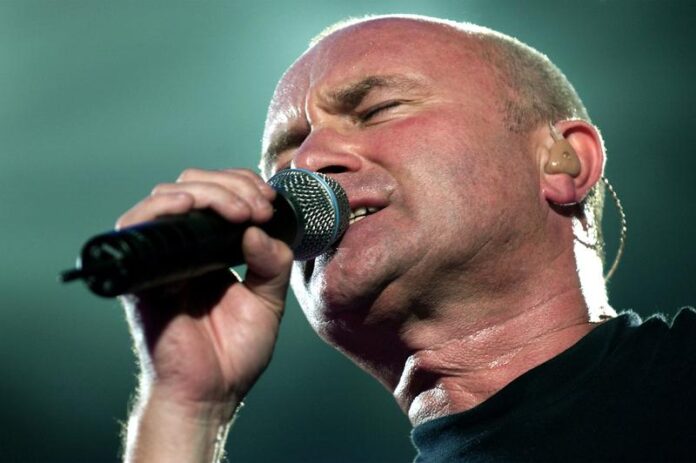
Phil Collins is offering fans a rare and candid look at his health journey, revealing that while he’s feeling better than he has in years, he won’t be taking the stage at his upcoming Rock and Roll Hall of Fame induction ceremony in November 2026. The 75-year-old music icon, who has weathered a brutal stretch of medical setbacks, told BBC Breakfast on May 22, 2026, that he simply isn’t “match fit” enough to perform.
Speaking with the morning program, the “In the Air Tonight” singer confirmed he had been invited to perform at the ceremony, where he will receive his second induction — this time as a solo artist. Collins was first inducted in 2010 as a member of Genesis, joining a rare club of two-time honorees.
Why Collins Turned Down the Rock Hall Stage
While inductees frequently attend without performing, Collins’s decision underscores just how dramatically his physical condition has shifted since his peak years as one of rock’s most relentless live performers. His most recent stage appearances came during Genesis’s final run of shows in 2022, where he performed seated while his son Nic Collins handled drum duties — a poignant farewell that quietly signaled the end of an era.
The Oscar-winning musician retired from playing drums entirely in 2022. In a 2024 documentary, Collins reflected that playing drums since age five had “taken its toll” on his hands and legs.
A Hard-Won Turnaround After Years of Setbacks
Collins’s road to recovery has been arduous. After sustaining a spinal injury in 2007, he endured a cascading series of complications, including five knee surgeries that he said either became infected or broke. He also contracted COVID-19 while hospitalized, which triggered kidney problems that compounded his already fragile health.
“The last 18 months has been fine,” Collins said. “Before that, not so good. Everything health-wise caught up with me at the same time. Everything that could go wrong did go wrong, but everything is fine now.”
He now lives under 24-hour care with a live-in nurse who ensures he takes his medication consistently. Collins can walk, albeit with the assistance of crutches or similar aids, and recently celebrated two years of sobriety — a milestone he linked directly to his improved kidney function. The musician has acknowledged that excessive drinking, particularly during the day, contributed to his earlier kidney troubles.
In January 2026, Collins had described the previous stretch as a “difficult, frustrating few years” in a conversation with Zoe Ball on BBC’s Eras podcast. His team was also forced last year to push back against unfounded rumors that he was under hospice care and near death — speculation that was never supported by evidence.
The Door Stays Open for Music
While Collins ruled out the Rock Hall performance, he refused to fully close the door on returning to the stage or the studio. Asked whether he’d ever perform live again, the rocker offered a measured but hopeful answer.
“I can’t really see it happening, but I’m healthier now than I have been for quite a while,” he said, before adding that he would “contemplate” going out again. Collins has not released an album of original material since Testify in 2002, but he indicated to the BBC that creative sparks remain. He has lyrical ideas written down, half-formed songs, and even a few finished pieces waiting in his home studio.
To remind fans of his powerhouse stage presence, Collins’s official social media recently shared a 1990 performance of “Do You Remember” filmed at the Waldbühne in Berlin during his Seriously Live! Tour — a vivid contrast to his current circumstances.
A Royal Appearance and Industry Conversation
Later in May, Collins made a rare public appearance at The King’s Trust 50th Anniversary Party at Buckingham Palace on May 25, 2026, attending alongside his ex-wife Jill Tavelman, Rod Stewart and Penny Lancaster. The event, hosted by King Charles, marked one of Collins’s most visible outings in recent memory and offered fans reassurance about his improving condition.
His situation has also reignited a broader debate about the Rock and Roll Hall of Fame’s tendency to honor artists late in their careers. Dennis DeYoung pointedly criticized the institution in November 2025, calling it “shameful” that so many musicians are made to wait until they are “either incapacitated or dead” to be recognized.
For now, Collins seems content to focus on stability, sobriety and the slow creative pull back toward his studio. The drummer who once defined an era of stadium rock may never tour again — but as his fans were reminded this week, he’s still here, still writing, and still very much Phil Collins.