
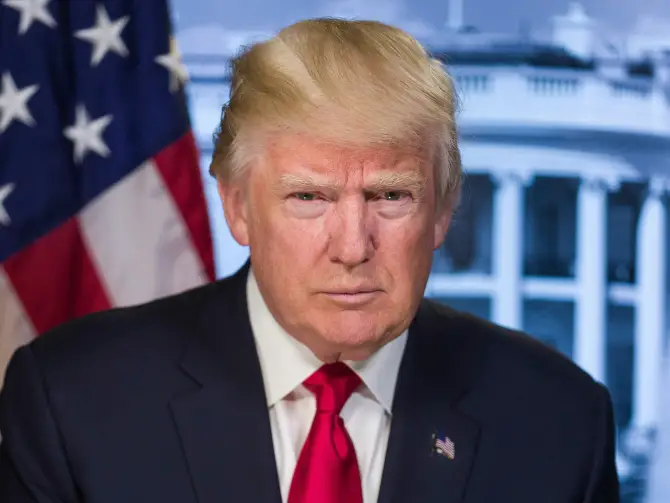
A pattern of dismissive comments from President Donald Trump about the rising cost of living — stretching from late 2025 through spring 2026 — has become a major political vulnerability heading into the midterm elections, with political observers warning the president may have inadvertently written the Democratic Party’s campaign playbook.
Trump began minimizing affordability challenges in November 2025, framing rising costs as a fabrication pushed by Democrats. Rather than moderating as economic pressures intensified through early 2026, he amplified the message. By late April 2026, he had escalated further, branding affordability concerns a “Democratic hoax” — language that immediately drew backlash from voters grappling with elevated costs at gas stations and supermarkets.
The disconnect between presidential messaging and economic data is stark. Gas prices are running 27 percent higher year-over-year according to AAA, yet Trump has characterized prices as “not very high.” During a May 2, 2026, appearance at The Villages in Florida, Trump acknowledged that Democrats “may have one good talking point” when pressed about household expenses. Though seemingly intended as a jab, the remark instead validated the opposition’s core campaign message, according to strategists.
“He essentially validated the entire Democratic midterm message in one sentence,” said one Democratic strategist familiar with the party’s campaign planning. “They’re going to put that clip in ads from Maine to Arizona.”
This messaging mismatch has taken a measurable toll. CNBC’s Q1 2026 All-America Economic Survey revealed 60 percent of respondents disapprove of Trump’s handling of the economy — a troubling figure for a president whose reelection campaign centered on promises of economic prosperity. The damage among independent voters is especially severe, with independents disapproving of Trump’s approach to cost-of-living issues by a 5-to-1 margin, a gulf that threatens to undermine Republican candidates in tight races nationwide.
Republicans are showing signs of deep unease. A total of 38 House GOP members have announced they will not seek reelection — compared to just 23 Democrats — a gap political veterans interpret as evidence that the caucus anticipates a punishing electoral climate. Large retirement waves before a midterm typically indicate lawmakers believe their party confronts serious disadvantages they prefer to sidestep rather than navigate.
Democrats have moved swiftly to capitalize on Trump’s rhetoric. Affordability has become the defining issue of the 2026 cycle, and the Democratic Congressional Campaign Committee has already launched geotargeted digital ads hitting Republicans over gas prices in all 44 of its targeted House districts. Party officials view Trump’s comments as opposition research delivered free of charge, allowing them to tie congressional Republicans directly to the president’s dismissive posture.
Whether voters ultimately blame Trump himself or take out their frustrations on congressional candidates remains uncertain. But with household costs elevated and the president on record dismissing affordability concerns as partisan theater, Republicans face a November election where their leader’s casual remarks may prove impossible to escape.