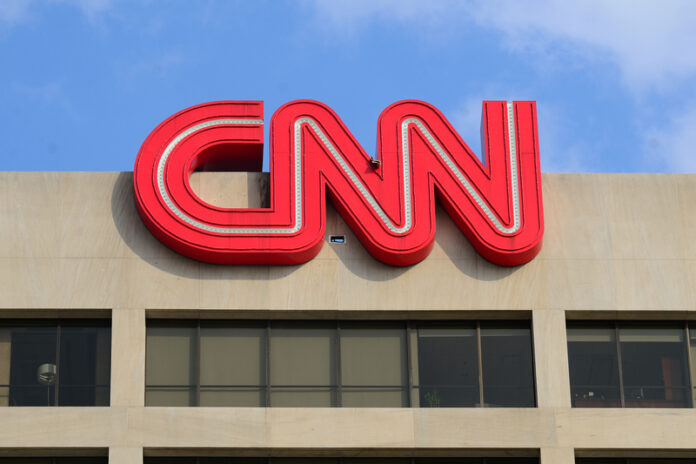
A CNN team reporting from Tel Aviv had to seek cover on live TV when sirens sounded and Israeli air defenses tracked incoming Iranian projectiles—an intense example of the hazards journalists face while covering the escalating conflict in the region.
CNN anchor Erin Burnett and correspondent Jeremy Diamond were on location near Israel’s Ministry of Defense on Tuesday, March 10, when citywide emergency alerts began blaring. They had been speaking with retired Major General Randy Manner about allegations that Iran was planting mines in the Strait of Hormuz when the sirens forced them to move to safety.
Burnett stayed composed as she gathered gear and headed for shelter while still on air. “Alright, so Jeremy and I are, obviously we’re having trouble hearing because we have the sirens going on here as we are going to seek shelter,” Burnett said on the move.
The CNN crew took cover in a concrete stairwell as sirens continued to wail around Tel Aviv. Israel’s missile defenses tracked the threats and launched interceptors to try to stop incoming rockets. The network said its team heard explosions during the attack, which happened amid rising tensions after U.S. and Israeli actions against Iran.
This was the second time in a little over a week Burnett had to shelter during a live segment. On March 3, she evacuated during an interview with Dan Diker of the Jerusalem Center for Security & Foreign Affairs, noting they had roughly five or six minutes from the initial alert before impacts were expected.
Earlier, on Saturday, February 28, Fox News chief foreign correspondent Trey Yingst hurried his camera team to safety as Iranian missiles struck Tel Aviv during a live report. Fox footage showed Israel’s Iron Dome tracking missiles while other rockets hit the city behind him.
CNN senior international correspondent Frederik Pleitgen also had a close call while reporting from Iran when the location he was filming came under airstrike threat. “That just goes to show how fast things can turn bad here,” Pleitgen reported after seeking cover in Tehran.
The situation raised concerns about press freedom when a CNN Türk crew was detained live on air in Tel Aviv after the Iranian missile strike on March 3. Correspondent Emrah Çakmak and cameraman Halil Kahraman were taken into custody by Israeli security forces while reporting near the Ministry of Defense; officers approached and cut the live feed while confiscating the journalists’ phones.
The CNN Türk team had been documenting civilians emerging from shelters after Iranian strikes when security forces intervened. Turkey’s Communications Director Burhanettin Duran denounced the detention as an effort to “aimed at concealing the truth” and AK Party spokesperson Ömer Çelik called it “an attack on press freedom,” demanding their immediate release.
These episodes underscore the significant dangers reporters accept to cover conflict zones. As tensions among the United States, Israel, and Iran rise, journalists face both the physical threat of missile attacks and constraints imposed by authorities protecting sensitive sites.
The U.S. military has coordinated with Israeli forces on strikes against Iran, which has led to a series of retaliatory attacks across the Middle East. Tel Aviv has frequently been targeted, with Iranian missiles repeatedly testing Israel’s defenses.
For reporters such as Burnett and her peers, live reporting from Tel Aviv has become a practice in crisis response—juggling the duty to inform with split-second choices about safety. Concrete stairwells and bunkers have turned into improvised broadcast locations where correspondents continue updates as explosions occur nearby.
With no immediate end to the conflict in sight, news teams remain positioned throughout the region, ready to shelter at a moment’s notice while documenting events. Their broadcasts from bunkers and reinforced stairwells are stark reminders of the human toll of war and the resolve of journalists to report despite the risks.