Multiple deaths have been reported across Iran following days of protests over inflation and economic crisis, with casualty figures varying between state media outlets and human rights organizations.
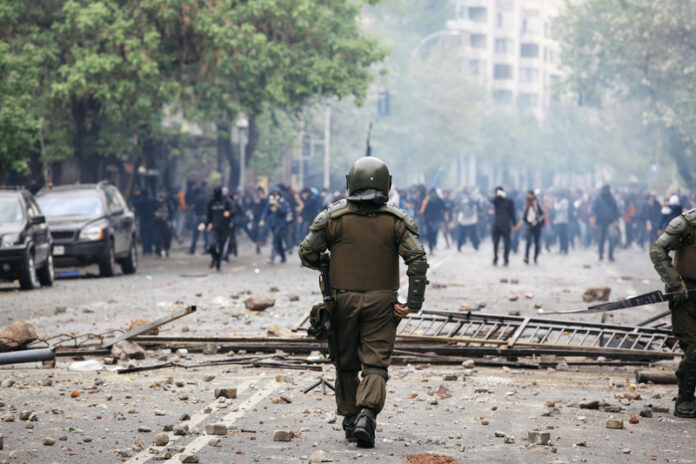
The Revolutionary Guards announced that one member of its Basij paramilitary unit was killed in Kuhdasht, with 13 others wounded during clashes with demonstrators. Deaths were also reported in Lordegan and Isfahan as the unrest continued to spread.
The semi-official Fars news agency confirmed three people were killed during the confrontations. Meanwhile, rights group Hengaw reported 17 people killed during the first week of protests, documenting fatalities in multiple locations including Malekshahi, Hamedan, Harsin, Azna, Fuladshahr and Marvdasht.
Among those killed were individuals identified as Amirhossein Khodayarifard, from Kuhdasht. Another victim was identified as Dariush Ansari Bakhtiarvand, 28 years old, from Fuladshahr. The victims also included Mostafa Fallahi, 15 years old, and Sajjad Valamanesh, 20 years old. Ahmad Jalil and Khodadad Shirvani, 33 years old, were among others reportedly killed during the demonstrations.
Separate reports have confirmed the names of eight martyrs from the demonstrations. These individuals were killed on December 31, 2025, and January 1, 2026, according to documentation provided by monitoring organizations. The youngest victim was a 15-year-old from Azna, underscoring the severity of the confrontations between protesters and security forces.
The protests erupted over soaring inflation, which reached 42.5% in December, placing enormous strain on Iranian households already struggling under Western economic sanctions. The country’s overall inflation rate stands at 40%, contributing to widespread discontent among merchants, shopkeepers and ordinary citizens.
The demonstrations have expanded beyond the capital to rural provinces, marking a significant geographic spread of civil unrest. Clashes between protesters and security forces have been reported in locations including Marvdasht, along with violence in Hamedan.
The Revolutionary Guards issued statements blaming demonstrators for the violence. “Taking advantage of the atmosphere of popular protests,” the Guards said in describing their accusations against those participating in the demonstrations. “Armed elements among protesters were responsible for escalating confrontations with security personnel,” according to statements from the Guards.
However, Hengaw and other monitoring organizations dispute this characterization. The rights group has documented cases where security forces opened fire directly on protesters, resulting in fatalities among unarmed civilians.
The economic hardships driving the protests stem from multiple factors. Western sanctions have severely restricted Iran’s ability to conduct international trade and access global financial systems.
Shopkeepers and merchants initiated the protests over the weekend, with demonstrations quickly spreading to university students and other segments of society. The bazaars, historically significant centers of commerce and political influence in Iran, became focal points for the discontent. Major bazaars closed as merchants refused to operate under the current economic conditions.
The timing of the protests coincides with a particularly challenging period for Iran’s leadership. The country faces not only economic pressures but also regional security concerns. Supreme Leader Ayatollah Ali Khamenei oversees a government struggling to maintain stability while managing both domestic dissatisfaction and external threats.
The Basij organization, formally known as the Organization for Mobilization of the Oppressed, serves as a volunteer paramilitary force under the command of Iran’s Revolutionary Guards. The organization has historically been deployed to suppress domestic unrest and maintain internal security. Its members are drawn from various segments of Iranian society and receive military training to support the regime during periods of civil disorder.
Iranian authorities have attempted to manage the crisis through a combination of security measures and offers of dialogue. Government officials announced they would engage in direct discussions with trade union representatives and merchant groups, though specific details about the scope and timing of such talks remain unclear.
The protests represent a significant wave of civil unrest in Iran, reflecting deep-seated frustrations with the country’s economic trajectory. Previous demonstrations over water shortages, women’s rights and political freedoms have been met with harsh crackdowns, including mass arrests and the use of lethal force by security personnel.
International observers note that Iran’s economic challenges show no signs of immediate resolution. The sanctions framework remains in place, with limited prospects for meaningful relief absent significant changes in Iran’s nuclear program or regional behavior. This structural reality suggests that the economic pressures fueling current protests will likely persist, potentially triggering additional waves of civil unrest.
The verification of casualty figures remains complicated by restrictions on independent reporting within Iran. State media outlets provide limited information, often emphasizing violence allegedly committed by protesters rather than actions taken by security forces. Human rights organizations operating outside Iran rely on networks of sources within the country to document deaths and injuries, though confirming details can take considerable time.
The geographic distribution of reported deaths spans multiple locations, indicating the protests have not been confined to any single region or ethnic group. Victims have been identified from areas including Kuhdasht, Lordegan, Isfahan, Azna, Fuladshahr, Marvdasht, Malekshahi, Hamedan, and Harsin, suggesting the economic grievances driving the demonstrations transcend local or regional boundaries.
As the situation continues to develop, the Iranian government faces difficult choices about how to respond to sustained civil unrest. Heavy-handed security measures risk further inflaming public anger, while economic concessions may prove difficult to implement given the country’s limited fiscal resources and constrained access to international markets. The outcome of this confrontation between demonstrators and authorities will likely shape Iran’s political landscape for months or years to come.