
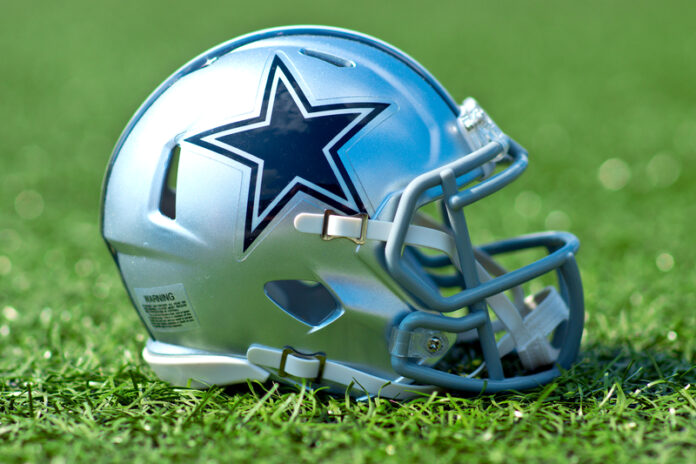
Scott Laidlaw, ex-running back and Super Bowl champion with the Dallas Cowboys, passed away on January 29, 2026, at the age of 72.
The Laidlaw family confirmed his death, though the cause was not disclosed.
Laidlaw was a Stanford alumnus, drafted by the Cowboys in the 1975 NFL Draft’s 14th round. He was among the 12 rookies who made the cut that year, a group known as the “Dirty Dozen.” This notable rookie class included Randy White, a Hall of Famer, Pat Donovan, Bob Breunig, Thomas “Hollywood” Henderson, and Herbert Scott.
From 1975 to 1979, Laidlaw spent five seasons with the Cowboys, making the playoffs three times. He was a key player in head coach Tom Landry’s ball-control offense, performing as both a rusher and receiver.
In his 1975 rookie season, a knee injury requiring surgery limited his play to eight games. Nonetheless, Laidlaw contributed to the Cowboys’ journey to Super Bowl X, where they were defeated 21-17 by the Pittsburgh Steelers.
In the 1977 season, Laidlaw secured a championship ring when the Cowboys triumphed over the Denver Broncos 27-10 in Super Bowl XII in 1978. This victory solidified the Cowboys’ reputation as one of the era’s dominant teams.
During the next season, the Cowboys again reached the Super Bowl but were defeated 35-31 by the Pittsburgh Steelers. This marked Laidlaw’s third Super Bowl appearance in his four seasons with Dallas.
Throughout his postseason career, Laidlaw scored two rushing touchdowns, one against the Los Angeles Rams in the NFC Championship and another against the Atlanta Falcons in the NFC Divisional Round.
After being released by the Cowboys post-1979 season, Laidlaw joined the New York Giants in 1980. He played seven games with the Giants before retiring from professional football, ending a six-year NFL career.
Laidlaw’s professional career stats include 255 carries for 1,007 yards and nine rushing touchdowns. He also tallied 74 receptions for 668 yards and three receiving touchdowns. Despite not posting superstar numbers, his versatility and reliability were key to the Cowboys’ offensive strategy during their championship years.
Despite challenges from hamstring and knee injuries, Laidlaw remained a consistent contributor to the Cowboys, one of the NFL’s most successful teams of the 1970s.
In December 2025, just a month before his passing, the Cowboys honored Laidlaw and his fellow “Dirty Dozen” teammates at AT&T Stadium in Arlington, Texas, marking the significant contributions of the 1975 rookie class to the franchise’s championship era.
Laidlaw’s death follows that of D.D. Lewis, a linebacker and member of the Cowboys’ 1970s dynasty, who passed away in September 2025 at 79.
The “Dirty Dozen” 1975 class proved to be one of the Cowboys’ most successful rookie groups, leading to multiple Super Bowl appearances and establishing a winning culture that characterized the franchise in the late 1970s.
Before his professional career, Laidlaw was a standout player at Stanford, where he honed the skills that would carry him through his NFL career. The Cowboys’ choice to draft him in the 14th round was a foresightful decision.
In the 1970s, under Tom Landry’s leadership, the Cowboys gained a reputation for consistent winning, national television exposure, and a roster of players ready to deliver in crucial moments.
Laidlaw’s role in the Cowboys’ ball-control offense was fundamental to the team’s success. His dual ability as a runner and receiver gave Landry flexibility in strategizing and helped prolong drives against opposing defenses.
Laidlaw’s position as a running back has evolved significantly since the 1970s. Back then, running backs were key parts of NFL offenses, serving as runners and blockers. Laidlaw exemplified this versatility, adapting his game to meet the Cowboys’ needs for any given play.
After retiring post the 1980 season, Laidlaw left a legacy defined by team success and reliability. He embodied the kind of player every championship team needs—someone who does the necessary work without seeking the limelight, whose contributions build over time to help the team reach its goals.
Laidlaw’s career stats may seem modest by today’s standards, but they represent consistent production from a player who maximized his opportunities and contributed to three Super Bowl appearances during his five seasons with Dallas.
As the NFL community mourns Laidlaw’s death, they remember him for his on-field contributions and his embodiment of teamwork and dedication, which defined Dallas football during one of its most successful periods.