
A 14-year-old boy was killed by a crocodile while washing clothes in a river in South Konawe Regency, South Sulawesi, Indonesia, as his friends and younger sibling watched in horror.
Muhammad Rafli Hamzah was doing laundry after school when a crocodile pounced from the murky waters. The boy struggled to break free as the reptile dragged him into the water in front of his horrified companions.
A search was launched that afternoon, with relatives and rescue volunteers scouring the river. The Kendari Search and Rescue Office dispatched a team to the scene at approximately 3:30 pm WITA. Search coordinator Amiruddin said the team conducted a search along the river using multiple boats, including those owned by local fishermen.
After hours of searching, the boy’s body was found floating in the water 200 metres from the attack site. The body was retrieved by a combined SAR and Fire Department team.
Ipda Alimudin Latif, Kolono Police Chief, confirmed the recovery. “Yes, the victim was found deceased,” he said. “There were multiple bite wounds.”
Police urged the community to heighten awareness to prevent similar incidents from occurring again. The tragedy has shaken the local community, where many residents still rely on rivers for daily activities such as bathing and laundry.
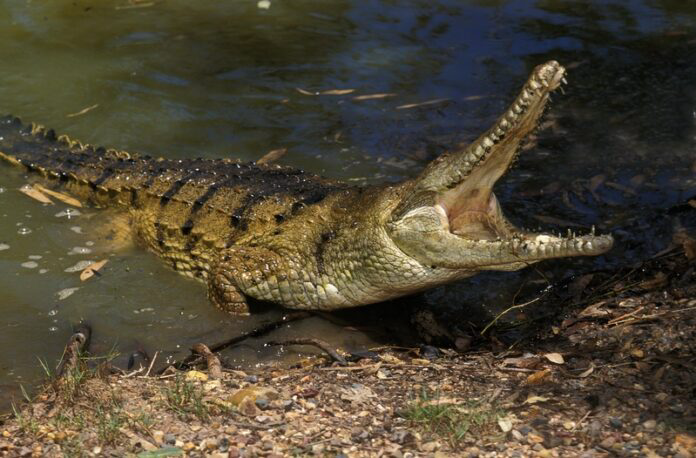
Indonesia is home to 14 species of crocodiles, including a substantial population of aggressive estuarine crocodiles that flourish in the region’s tropical climate.
Conservationists believe overfishing is reducing crocodile food supplies, forcing the reptiles further inland toward villages. The depletion of fish stocks and other marine prey in coastal waters has disrupted the natural food chain, leaving crocodiles with fewer options and pushing them to seek alternative food sources closer to human settlements.
Habitat loss from coastal development has also contributed to the increase in human-crocodile encounters. Coastal areas that once served as natural crocodile habitats have been converted into farms and residential areas, squeezing the reptiles into smaller territories that overlap with human activity zones.
Widespread tin mining has caused villagers to encroach on the crocodiles’ natural habitats. Mining operations often require clearing land and altering waterways, which further degrades the ecosystems where crocodiles traditionally live and hunt. As mining activities expand, they push both human settlements and crocodiles into closer proximity.
Many locals use rivers for bathing and laundry, creating dangerous conditions as crocodiles are pushed closer to human settlements. In rural and remote areas of Indonesia, access to modern infrastructure remains limited, making rivers essential for daily hygiene and household tasks despite the risks.
Rising numbers of crocodile attacks have been reported across the Indonesian archipelago in recent years. The combination of habitat encroachment, reduced natural food supplies, and continued human dependence on waterways has created a dangerous situation for rural communities throughout the country.
In December 2025, a 10-year-old boy named Affan was killed by a crocodile while swimming with friends in the Inggoi River in North Maluku, Indonesia. Hendra Gunawan, South Halmahera Police Chief, said the area was known as a crocodile habitat. “Crocodiles still often appear there,” he said.
In June 2025, an 80-year-old grandfather named Wasim was killed by a 10-foot crocodile while bathing in a river near his home in Tanggamus Regency, Lampung Province, Sumatra, Indonesia.
Wildlife experts warn that encounters between crocodiles and humans are likely to become more frequent unless measures are taken to protect both crocodile habitats and human communities.
Local authorities have been working to educate communities about the dangers of entering waterways known to harbor crocodiles, but many rural residents have limited alternatives for daily activities.
Conservation efforts must balance protecting Indonesia’s unique crocodile populations while ensuring the safety of rural communities. The estuarine crocodiles in the region play an important role in maintaining healthy aquatic ecosystems. However, their presence near human settlements requires careful management and increased awareness among residents about the risks of using waterways for bathing, laundry, and other activities.
The death of Muhammad Rafli Hamzah serves as a tragic reminder of the dangers that persist in areas where humans and crocodiles share overlapping territory. For communities throughout Indonesia’s rural regions, the challenge of coexisting with these powerful predators remains an urgent issue requiring both immediate safety measures and long-term environmental planning.
Sources:
https://www.mirror.co.uk/news/world-news/boy-14-mauled-death-crocodile-36504367
https://www.thesun.co.uk/news/37822672/schoolboy-mauled-death-crocodile-river-friends/
https://www.express.co.uk/news/world/2153978/horror-teenage-boy-killed-crocodile-indonesia
https://www.dailystar.co.uk/news/world-news/horror-boy-14-mauled-death-36507713
https://www.the-sun.com/news/15737041/schoolboy-mauled-death-crocodile-river-friends/
https://www.newsflare.com/video/825368/schoolboy-14-killed-by-crocodile-while-washing-clothes-in-river?origin=search
https://viralpress.com/174381/schoolboy-14-killed-by-crocodile-while-washing-clothes-in-river
https://headlinereporter.com/2026/01/teen-killed-by-crocodile-in-front-of-friends/