
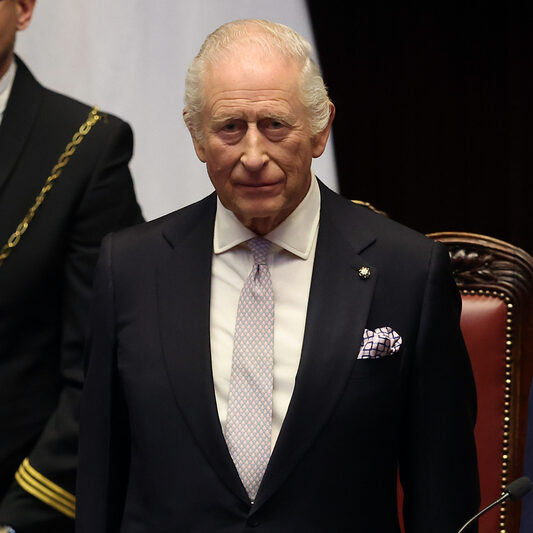
In an unprecedented move, King Charles has bestowed upon Prince William and Kate Middleton the authority to issue royal warrants. This is the first instance in 116 years that a Princess of Wales has been granted such power, indicating a substantial shift from traditional royal protocol and a growing trust in the future King and Queen Consort.
This decision will see William and Kate joining King Charles and Queen Camilla in granting Royal Warrants of Appointment from spring 2026. Queen Mary was the last Princess of Wales to have this authority, which she exercised between 1901 and 1910 before ascending to Queen Consort.
The news was confirmed by Kate’s private secretary, Ian Wright, who conveyed their excitement about this new responsibility. The Royal couple is eager to acknowledge and honor British industry, creativity, and talent through the issuance of royal warrants.
A royal warrant is a mark of distinction for those who have provided goods or services to the royal household, giving them the right to display the royal crest on their products and promotional materials. The honor, which is currently held by prestigious brands like Fortnum & Mason, Burberry, and Heinz, offers immense prestige and commercial benefits.
To be eligible for a royal warrant, businesses must meet rigorous criteria. They must have served the royal household for at least five out of the past seven years and maintain a continuous trading relationship, ensuring that only those with a proven record of quality and reliability are recognized.
Companies interested in applying for royal warrants from Prince William and Kate can do so starting from May 2026. Detailed application forms and guidelines will be provided to those businesses that do not currently hold warrants.
The timing of this announcement comes as the royal family faces major health challenges. King Charles publicly disclosed his cancer diagnosis in February 2024, and has since shared encouraging updates about his treatment progress in the New Year.
Kate, too, has been battling cancer, which is now in remission following treatment. The 43-year-old Princess of Wales has gradually resumed public duties while prioritizing her recovery and family life with Prince George, 12, Princess Charlotte, 10, and Prince Louis, 7.
The royal family recently celebrated Christmas at Sandringham, attending church services at St Mary Magdalene with other royalty. This traditional gathering underscored the family’s unity during a difficult period marked by health issues and increasing public responsibilities.
Given Kate’s influence on fashion, her warrant selections will be particularly noteworthy. As a major trendsetter in British fashion, clothing items she wears often sell out quickly. Designer Emilia Wickstead may be among those recognized.
Former royal butler Grant Harrold pointed out that King Charles’ decision to extend warrant-granting powers to William and Kate reflects his intention to gradually delegate responsibilities to the next generation while he focuses on his health and reduced duties.
Amidst these changes, the couple has been settling into their new home, Forest Lodge in Windsor Great Park, where they moved in fall 2025. The residence is intended to be their permanent home, even after William eventually ascends to the throne.
Granting royal warrants has traditionally been the prerogative of the reigning monarch and their consort, making this expansion significant. By extending this privilege to the Prince and Princess of Wales, King Charles is acknowledging the increasingly important role William and Kate play in representing the monarchy and supporting UK businesses.
The move also puts Kate in a key position to promote British commerce and craftsmanship. Her selections will likely emphasize businesses that align with her interests in early childhood development, mental health, and sustainable fashion, thereby spotlighting companies in these sectors.
As applications open in May 2026, businesses across the UK will have a unique opportunity to seek recognition from multiple royals for the first time in over a century, marking a new era in the relationship between the monarchy and British industry.