
A tense exchange erupted on Fox News Wednesday evening when contributor Ted Williams sharply criticized President Donald Trump’s decision to deploy 500 additional National Guard members to Washington, D.C., following the shooting of two guardsmen near the White House. The heated confrontation between Williams and guest-host Jason Chaffetz on “The Ingraham Angle” highlighted deep divisions over the administration’s response to the Wednesday, Nov. 27, 2025 attack.
The incident occurred just blocks from the White House near Farragut West Metro Station, where two National Guard members were shot in what authorities believe was a targeted attack. One soldier, Sarah Beckstrom, died from her injuries, while Andrew Wolfe remains hospitalized fighting for his life. A 29-year-old Afghan national suspect, Rahmanullah Lakanwal, has been detained in connection with the shooting.
In response to the attack, Defense Secretary Pete Hegseth announced Trump had ordered additional troops to the capital, stating the incident “will not stand.” The deployment adds to the thousands of National Guard members already stationed in Washington since August as part of the administration’s federal crime crackdown initiative.
Williams, a former member of the D.C. Metropolitan Police Department, expressed strong concerns about the escalation during his appearance on the show. Williams said one of his deepest concerns was that the president decided to send 500 additional National Guard members to the District of Columbia, questioning why the president was doing that.
The attorney and Fox News contributor warned that deploying more troops could lead to dangerous consequences. He cautioned that the National Guard members currently on the streets are deeply concerned and on high alert following the attack on their fellow guardsmen, stating the last thing needed in the District of Columbia or anywhere else is another Kent State scenario. Williams emphasized that National Guard members are not trained to do law enforcement work.
Chaffetz, visibly stunned by Williams’ assessment, challenged the contributor’s position. The guest-host asked whether Williams believed the National Guard were the good guys or the bad guys in this situation. Stopping Williams from interrupting, Chaffetz added he couldn’t believe what he was hearing and questioned why anyone would want fewer good guys present.
The exchange grew more contentious as Williams attempted to explain his reasoning. He acknowledged that residents of Washington are happy to have National Guard members on the streets but insisted politics should be left out of the discussion. Williams stressed the need to focus on praying for the recovery of the two injured individuals and determining the motive behind the attack—questioning why someone would come into the District of Columbia with a gun and randomly ambush and shoot two National Guard members.
While Chaffetz agreed with the sentiment about prayers and support, he defended the president’s swift action. He expressed approval that Trump and Hegseth acted immediately rather than rewarding the violence by reducing the military presence. The host cited statistics showing homicides are down 60 percent in Washington and crime has decreased by 30 percent, arguing that residents and visitors are glad these personnel are present.
As Williams attempted to interject again, Chaffetz firmly maintained control of the conversation, stating Williams had already said his piece. He insisted the contributor needed to think the issue through more carefully, declaring that fewer National Guard members is not the answer and more of them is the right response—a matter that should be debated in the country.
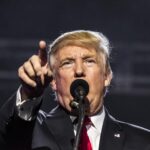
Trump addressed the nation in a video statement, calling the attack “an act of evil, an act of hatred and an act of terror.” The president noted that the suspect was flown in under Operation Allies Welcome in September 2021, a program launched to resettle Afghans following the U.S. military withdrawal from Afghanistan. However, law enforcement officials reported that Lakanwal applied for asylum in 2024 and was granted it in April under the current Trump administration.
The clash between Williams and Chaffetz reflects broader tensions over the militarization of law enforcement responses in the nation’s capital. Williams’ concerns about training and appropriate deployment of military personnel for civilian law enforcement duties raise questions about the long-term strategy for maintaining security in Washington. The National Guard has traditionally been used for emergency situations and support roles rather than regular police work, which requires specialized training in community relations and de-escalation techniques.
The incident and subsequent political debate underscore the complex challenges facing the administration as it seeks to balance security concerns with civil liberties and appropriate use of military resources. The shooting has reignited discussions about the role of federal forces in local law enforcement and the potential risks associated with deploying troops without specific police training to handle civilian situations. As investigations continue into the motive behind the attack, the question of how best to protect both National Guard members and the public remains a contentious issue among political commentators and policymakers alike.