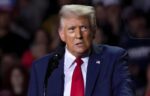

President Donald Trump faced a challenging interview on Fox News’ “The Ingraham Angle” on Monday, November 10, 2025, as host Laura Ingraham repeatedly interrupted and challenged the president on policy proposals and economic claims.
The contentious exchange saw Ingraham scrutinize Trump’s handling of housing costs. When Trump attempted to deflect responsibility, stating, “We inherited that, you have to understand,” Ingraham cut him off, saying, “Let me get to the question, though.”
The Fox News host challenged Trump on his recently proposed 50-year mortgage plan, pointing out significant backlash from his own supporters. Ingraham noted the MAGA base had criticized the proposal. The president dismissed the concerns, initially misstating the timeline.
Reports indicate Trump incorrectly said the mortgage would extend from 40 to 50 years. Trump characterized the proposal as insignificant, saying it would simply allow people to pay less per month over a longer period. He then pivoted to blaming his predecessor for housing problems.
The president also attacked Federal Reserve Chair Jerome Powell during the Fox News interview, calling him a “lousy Fed person.” Trump argued that with a different Federal Reserve chair, interest rates would be significantly lower.
When Ingraham pressed Trump on voter anxiety about the economy and affordability concerns, the president rejected the premise entirely. He characterized economic worries as a deception by Democrats and insisted costs were declining. Trump claimed the nation currently has the strongest economy in its history.
Ingraham challenged this assertion directly, asking why voters were expressing anxiety about economic conditions and whether more action was needed from Republicans. Trump dismissed polling data as fabricated and maintained his position that the economy was performing at unprecedented levels.
The interview also addressed Trump’s promise of a $10,000 bonus to air traffic controllers. When Ingraham asked where the funding for these bonuses would originate, Trump acknowledged he did not know the source. He expressed confidence he would find the money regardless of the specific funding mechanism.
Throughout the exchange, Trump defended his policies against criticism from both political opponents and conservative allies. When questioned about positions that had drawn disapproval from his base, the president responded that he understood what his supporters wanted. He insisted his base wanted to see the country succeed.
The confrontational nature of the interview marked a notable shift in the questioning Trump receives from Fox News hosts. Ingraham’s approach involved channeling concerns from Republican voters and conservative media figures, even when those concerns conflicted with the president’s preferred narrative.
The Fox News host also raised questions about Trump’s stance on housing policy implementation and his understanding of voter concerns about affordability. Each time Trump attempted to change the subject or blame his political rivals, Ingraham redirected the conversation back to specific policy questions.
Trump’s responses throughout the interview included dismissals of polling data and assertions that economic conditions were optimal despite public expressions of concern. He maintained that any negative perceptions of the economy were manufactured by political opponents rather than reflecting actual conditions.
The Monday evening interview demonstrated tensions between the president and elements of conservative media over policy direction and messaging. Ingraham’s questioning style, which involved presenting criticism from Trump’s own supporters, appeared to catch the president off guard at multiple points during the televised conversation.
The exchange highlighted disagreements within Republican circles about housing policy, economic messaging, and the administration’s approach to addressing voter concerns about affordability and access to homeownership. Despite pushback from his interviewer, Trump maintained his positions and continued to characterize economic criticism as politically motivated rather than substantive.