
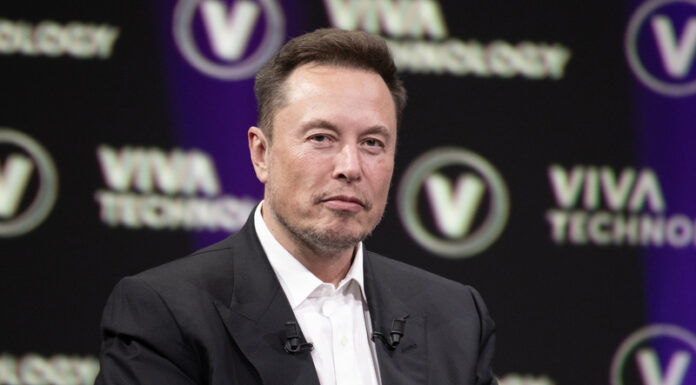
Tesla CEO Elon Musk made headlines this week with bold predictions about the future of work and money, telling a forum that employment could become entirely optional within the next decade or two. Speaking on a panel alongside Nvidia CEO Jensen Huang at the Kennedy Center in Washington, DC, Musk outlined a vision where artificial intelligence and humanoid robots fundamentally transform society and the economy.
The U.S.-Saudi Investment Forum took place on November 19, where Musk addressed the long-term implications of emerging technologies. When asked about the timeframe for his predictions, he estimated “perhaps 10 to 20 years” before work becomes optional for most people. The appearance marked Musk’s first public appearance since leaving his role heading the White House Department of Government Efficiency in May.
Musk compared the future of work to recreational activities, suggesting employment would resemble playing sports or video games—something people do by choice rather than necessity. He drew another analogy to gardening, noting that growing vegetables in one’s backyard is considerably more difficult than purchasing them from a store, yet some people still choose to do it for enjoyment. “That will be what work is like: optional,” he explained, though he acknowledged reaching that point would require substantial effort between now and then.
The Tesla chief executive went further in his predictions, suggesting that money itself could lose its relevance in a society dominated by AI and robotics. He referenced science fiction author Iain Banks’ Culture series, written between 1987 and 2012, to help illustrate the concept. “I think at some point currency becomes irrelevant,” Musk said during the panel discussion. While he acknowledged that physical constraints would remain—specifically citing energy, electricity, and raw materials as ongoing limitations—he believes currency itself could become unnecessary as automation creates abundance.
Central to Musk’s vision are humanoid robots, particularly Tesla’s Optimus robot, also known as Tesla Bot. The entrepreneur predicted that humanoid robots would become the biggest industry or the biggest product ever, surpassing even cellphones in their ubiquity and influence. He suggested widespread demand would emerge as people desire their own personal robots.
Musk made sweeping claims about the potential social impact of these technologies, asserting that AI and humanoid robots would eliminate poverty worldwide. He stated that AI and robotics will make everyone wealthy. While Tesla is positioning itself as a leader in humanoid robot development, Musk acknowledged that many other companies would eventually enter the market and produce their own versions.
The concept of universal income emerged in Musk’s broader discussion of this automated future. In an October conversation with Joe Rogan, he expanded on how society might function when traditional employment disappears. Rather than advocating for a universal basic income, Musk suggested the government should provide what he called a universal high income, allowing people to access any products or services they desire.
During the forum panel, a lighter moment occurred when Musk ribbed his fellow panelist about the timing of Nvidia’s earnings call, which was scheduled for later that day. After discussing the future irrelevance of currency, Jensen Huang responded with a quip about money not mattering, and the two CEOs clinked their bottles of Acqua Panna water in a toast.
The predictions come as Musk continues to navigate multiple business ventures and public roles. Tesla’s board approved a compensation package, with reports mentioning a $1 trillion deal. His appearance at the U.S.-Saudi Investment Forum signals his return to high-profile international business events following his departure from the Trump administration’s efficiency initiative.
While Musk’s vision paints an optimistic picture of technological advancement eliminating scarcity and want, the path from today’s economy to his imagined future remains unclear. His predictions assume continued improvement in AI capabilities and robotics manufacturing, along with the development of systems to distribute resources in a post-work, post-money society. Whether such a transformation occurs within the 10 to 20-year timeframe he suggested, or at all, remains a matter of speculation among economists, technologists, and policymakers examining the long-term implications of automation on human labor and social organization.